
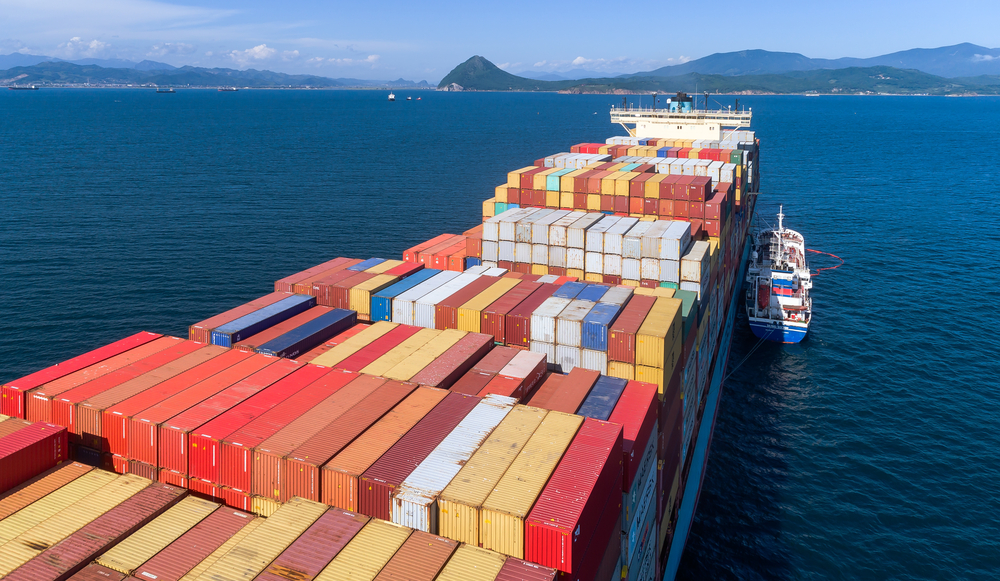
The global cargo and freight industry is experiencing rapid transformation as new technologies, shifting consumer demands, and evolving economic conditions reshape the way goods are transported around the world. Once considered a traditional and operational sector, logistics has now become a dynamic, innovation-driven industry. Understanding the key trends shaping this transformation is essential for businesses aiming to remain competitive in an increasingly complex global market.
One of the most significant trends is digitalization. Logistics companies are embracing digital tools such as cloud-based platforms, artificial intelligence, and data analytics to improve efficiency and decision-making. These technologies enable real-time tracking, predictive maintenance, and better demand forecasting. As a result, businesses can reduce delays, optimize routes, and enhance overall service quality. Digital transformation is no longer optional—it is a necessity for companies that want to stay relevant.
Another major trend is the rapid growth of e-commerce. The rise of online shopping has dramatically increased the demand for fast and reliable delivery services. Customers now expect shorter delivery times and greater flexibility, including same-day or next-day shipping. This shift is pushing logistics providers to rethink their operations, invest in last-mile delivery solutions, and develop more agile supply chains to meet customer expectations.
Sustainability is also becoming a central focus in the cargo and freight industry. With growing awareness of environmental issues, companies are under pressure to reduce their carbon footprint. Many logistics providers are adopting greener practices such as using fuel-efficient vehicles, optimizing delivery routes, and investing in alternative energy sources like electric trucks. Sustainable logistics not only helps protect the environment but also enhances brand reputation and meets regulatory requirements.
Automation and robotics are revolutionizing warehouse and transportation operations. Automated systems are being used for sorting, packing, and inventory management, significantly increasing speed and accuracy. In addition, the development of autonomous vehicles and drones is gradually transforming the way goods are delivered. Although still in the early stages, these technologies have the potential to reduce labor costs and improve delivery efficiency in the future.
Global supply chain resilience has become a top priority, especially in the wake of recent disruptions such as pandemics and geopolitical tensions. Companies are now focusing on building more flexible and resilient supply chains by diversifying suppliers, increasing inventory buffers, and leveraging digital tools for better visibility. This approach helps businesses respond more effectively to unexpected challenges and maintain continuity.
Another emerging trend is the use of blockchain technology to enhance transparency and security. Blockchain allows for secure, tamper-proof records of transactions and shipments, reducing the risk of fraud and improving trust among stakeholders. It also simplifies documentation processes, making cross-border trade more efficient.
In conclusion, the global cargo and freight industry is being transformed by a combination of digital innovation, changing consumer behavior, and a growing emphasis on sustainability and resilience. Companies that adapt to these trends will be better positioned to navigate the challenges of the modern logistics landscape. As the industry continues to evolve, embracing these changes will be key to achieving long-term success and maintaining a competitive edge.
